
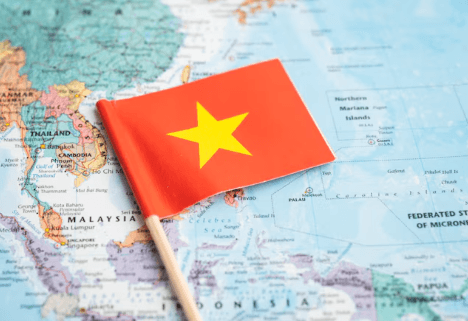
Where is Vietnam located? This is a question many travelers ask when planning a trip through Asia. Vietnam is located in Southeast Asia, nestled along the eastern edge of the Indochina Peninsula. It shares borders with China to the north, Laos to the northwest, and Cambodia to the southwest, and has an extensive coastline stretching along the South China Sea.
In recent years, Vietnam tour packages from Mumbai and other cities have become increasingly popular, as the country is known for its delicious cuisine, natural beauty, and rich cultural history. But before exploring this fascinating country, it’s important to understand exactly where Vietnam is located, how its geography influences its climate and culture, and what makes its position on the map so special. In this article, we will dive into everything from Vietnam’s physical landscape to travel tips and cultural insights, helping you make the most of your journey.
Looking to plan your trip efficiently? Check out our all-inclusive Vietnam tour packages from India designed for every kind of traveler.
Where Is Vietnam Located?
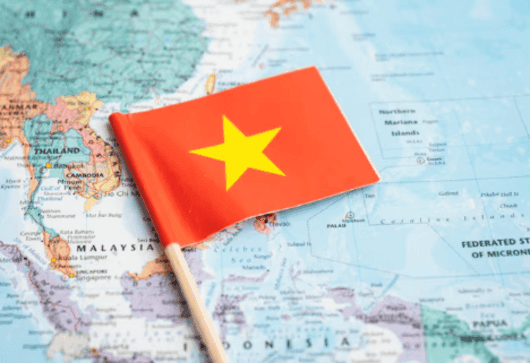
To answer the question where is Vietnam located, we must look closely at its position on the global map. Vietnam is in Southeast Asia, positioned on the eastern portion of mainland Asia. The country lies between latitudes 8° and 24°N and longitudes 102° and 110°E. This geographic location places Vietnam in a region known for tropical weather, diverse ecosystems, and strategic importance.
Vietnam’s location is crucial in understanding its role in Asian trade, migration, and cultural exchange. The country shares a long northern border with China, making it historically vulnerable to both conflict and influence from its larger neighbor. To the west, it borders Laos and Cambodia, forming part of what was historically referred to as French Indochina.
Stretching over 1,600 kilometers from north to south, Vietnam’s geography is long and narrow, which contributes to its varied climates and distinct regional cultures. Its eastern border is marked by a beautiful and lengthy coastline along the South China Sea, which plays a vital role in its economy, especially in tourism and fishing. So, where is Vietnam located? It is exactly where nature, culture, and history collide to form one of Asia’s most unforgettable countries.
Vietnam’s Physical Geography and Landscape
Understanding where Vietnam is located also involves exploring the remarkable physical geography that defines it. The country’s shape resembles a slim “S,” expanding from the mountainous regions of the north to the fertile deltas of the south.
In the north, you’ll find rugged mountains and highlands, especially near the Chinese border. This region is home to the famous Sapa rice terraces and Fansipan, the highest peak in Vietnam. Central Vietnam is characterized by narrow coastal plains and inland mountains, where cities like Hue and Da Nang are located. Southern Vietnam is dominated by the lush Mekong Delta, a region of vast rivers, rice paddies, and floating markets.
To experience this diverse landscape firsthand, consider joining our Vietnam group tours for women and solo travelers, crafted for safety and connection.
The country’s rivers play a critical role in agriculture and transportation, especially the Red River in the north and the Mekong River in the south. These rivers have helped create fertile valleys and deltas that support Vietnam’s agricultural success.
Due to where Vietnam is located, the climate varies from region to region. The north experiences four seasons with cool winters, while the south has a tropical climate with wet and dry seasons. Central Vietnam, meanwhile, faces occasional typhoons due to its location along the sea.
Cultural and Historical Significance of Vietnam’s Location
To fully grasp where is Vietnam located, one must consider the cultural and historical weight of its geographical position. Vietnam’s location at the crossroads of several civilizations has made it a melting pot of influences over thousands of years.
Vietnam was under Chinese rule for over a thousand years, and its proximity to China means much of its traditional language, architecture, and political systems have Chinese roots. Later, French colonization brought Western influences, which are still visible today in Vietnam’s cafes, language, and colonial buildings.
Vietnam’s strategic coastal location made it a crucial player in international maritime trade routes. Traders and explorers from India, Japan, Portugal, and other regions docked along its ports, introducing religion, goods, and ideas that helped shape Vietnamese identity.
The country’s role in modern history—especially during the Cold War—was also heavily influenced by where Vietnam is located. It became the center of the Vietnam War due to its geographical positioning between communist North Asia and the American-supported South Pacific.
Reasons to Visit Vietnam Today
If you’ve ever wondered where is Vietnam located and whether it’s worth a visit, the answer is a resounding yes. Vietnam is a dynamic blend of ancient charm and modern development. From the tranquil mountains of the north to the bustling streets of Ho Chi Minh City, the country offers a wide range of experiences.
In the north, explore Hanoi’s Old Quarter, trek through Sapa’s mountains, or cruise through the emerald waters of Halong Bay. Central Vietnam features cultural treasures like the imperial city of Hue and the lantern-lit streets of Hoi An. In the south, don’t miss the vibrant life of Ho Chi Minh City or the peaceful floating villages of the Mekong Delta.
The food alone is reason enough to visit. Vietnam’s cuisine—pho, banh mi, spring rolls, and countless street food delicacies—is world-famous for its balance of flavors and fresh ingredients.
Add to that the friendliness of the locals, affordability, and ever-growing infrastructure for tourism, and it’s easy to see why Vietnam tour packages from Pune and Vietnam tour packages from Hyderabad are in high demand.
Interesting Facts About Vietnam
Here are some eye-opening facts that go beyond simply knowing where Vietnam is located:
- Vietnam is the second-largest coffee exporter in the world, after Brazil.
- The Vietnamese alphabet uses Latin script, introduced by French missionaries.
- Hang Son Doong, the world’s largest natural cave, is located in Phong Nha-Ke Bang National Park.
- Vietnam has a population of nearly 100 million people, making it the 15th most populous country globally.
- The national flag of Vietnam features a five-pointed yellow star, representing the unity of workers, farmers, intellectuals, soldiers, and youth.
These facts are not just trivia—they reflect Vietnam’s rich history and modern-day global presence, deeply tied to where Vietnam is located on the map.
Practical Travel Tips for Vietnam
Before you book your flight, it’s important to prepare for your journey and understand how where Vietnam is located affects your travel plans.
- Best Time to Visit: Northern Vietnam is best in spring (March–April) and autumn (October–November). Central and southern regions are great from November to April.
- Language: Vietnamese is the official language, but English is commonly spoken in tourist areas.
- Currency: The Vietnamese Dong (VND) is the national currency.
- Visa Requirements: Many travelers can apply for an eVisa online. Double-check your country’s specific entry rules.
- Safety: Vietnam is considered very safe for tourists, including solo and female travelers.
Knowing where Vietnam is located also helps with route planning. Many travelers begin in the north (Hanoi), work their way through central cities (Hue, Hoi An), and end in the south (Ho Chi Minh City). Others prefer the reverse. Either way, the country’s geography makes a north-to-south or south-to-north journey both logical and scenic.
Discover Vietnam with Dark Green Adventures
Ready to explore Vietnam’s captivating beauty and thrilling adventures? Whether you dream of hiking in the mountains of Sapa, kayaking through Halong Bay, or tasting street food in Ho Chi Minh City, Dark Green Adventures is here to make it happen. Our small-group, women-friendly, expertly guided trips let you travel deeper and connect authentically.
Visit Dark Green Adventures now and start planning your once-in-a-lifetime journey to Vietnam. Let’s go beyond borders—together.
Final Thoughts
If you’ve made it this far, then you no longer have to ask, where is Vietnam located—you now know it’s a beautifully positioned country in Southeast Asia, rich with culture, nature, and history. From misty mountains and ancient temples to sun-drenched beaches and vibrant city life, Vietnam offers more than a location—it offers an unforgettable experience.
Understanding where Vietnam is located adds depth to your travel planning, revealing the country’s regional diversity, strategic history, and cultural significance. So why wait? Vietnam is calling.
Frequently Asked Questions
Q1. Where is Vietnam located in Asia?
Ans. Vietnam is located in Southeast Asia, on the eastern coast of the Indochina Peninsula. It borders China, Laos, Cambodia, and the South China Sea.
Q2. Why is Vietnam’s location important?
Ans. Vietnam’s strategic position along key sea routes and near powerful neighbors like China has shaped its cultural, political, and economic history.
Q3. Is Vietnam close to Thailand?
Ans. Yes, Vietnam is close to Thailand. Although they don’t share a border, they are both in Southeast Asia, with Laos and Cambodia between them.
Q4. What continent is Vietnam in?
Ans. Vietnam is in Asia, specifically the southeastern region, which includes other countries like Thailand, Indonesia, and the Philippines.
Q5. Where is Vietnam located compared to China?
Ans. Vietnam lies south of China, sharing a long border with it. Their close proximity has historically influenced Vietnam’s politics and culture.
Q6. Is Vietnam a coastal country?
Ans. Yes, Vietnam has a coastline of over 3,000 kilometers along the South China Sea, which is vital for tourism, fishing, and trade.
Q7. What countries surround Vietnam?
Ans. Vietnam is bordered by China, Laos, and Cambodia. Its eastern side faces the South China Sea.
Q8. Is Vietnam a good travel destination?
Ans. Absolutely. Thanks to its stunning landscapes, rich history, and delicious cuisine, Vietnam is considered one of the best travel destinations in Asia.