
South Korea is a country that effortlessly blends ancient tradition with cutting-edge modernity. From Seoul’s bustling streets to the serene temples of Gyeongju and the volcanic beauty of Jeju Island, this destination offers something for every kind of traveler. But to truly experience its magic, timing matters. Knowing the best time to travel to South Korea can transform your trip from a sightseeing tour into an unforgettable adventure filled with color, culture, and connection.
At Dark Green Adventures, we believe travel should be immersive and soulful—whether you’re journeying solo, in a small group, or with a community of like-minded explorers. South Korea is one of those places that changes its personality with every season, offering new experiences year-round.
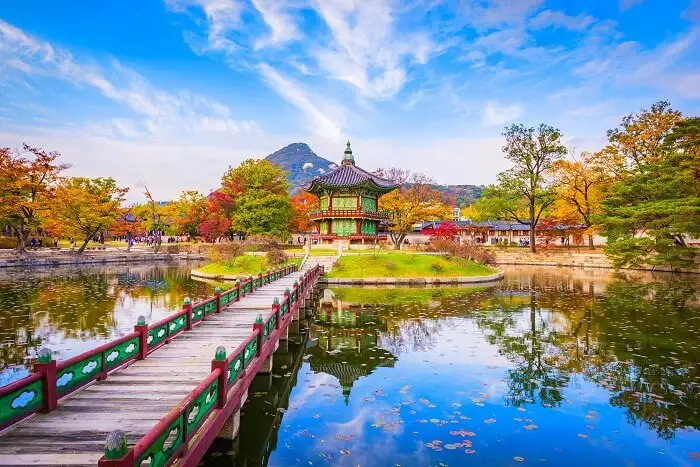
Understanding South Korea’s Four Seasons
South Korea has four distinct seasons, each painting the country in a different shade of beauty. Here’s a quick overview:
| Season | Months | Average Temperature | Highlights | Ideal For |
| Spring | March–May | 6°C–20°C | Cherry blossoms, mild weather | Sightseeing, cultural festivals |
| Summer | June–August | 23°C–30°C | Beaches, rain, lush scenery | Nature escapes, local immersion |
| Autumn | September–November | 10°C–22°C | Autumn foliage, clear skies | Hiking, photography |
| Winter | December–February | -6°C–8°C | Snow, skiing, cozy cafes | Winter sports, quiet retreats |
Each season brings its own charm, and understanding them helps you decide when to go based on what you want to experience most.
1. Spring (March–May): The Best Months to Visit South Korea for Cherry Blossoms
If you’ve ever dreamed of walking beneath a canopy of pink and white petals, spring is your season. The best months to visit South Korea for cherry blossoms are late March to mid-April. During this time, the country bursts into bloom, and the air feels alive with celebration.
Some of the most famous cherry blossom viewing spots include:
- Jinhae Gunhangje Festival: South Korea’s largest cherry blossom event, where the streets turn into pastel tunnels.
- Seoul’s Yeouido Park: Cherry trees line the Han River, offering a stunning view of petals drifting across the water.
- Jeju Island: The first blossoms of the season bloom here, often earlier than the mainland.
- Gyeongju: Known as “the museum without walls,” this city’s historic sites look even more magical surrounded by blossoms.
For Indian travelers, this is a perfect time to explore mild weather and scenic landscapes before the summer rush begins. It’s also the ideal window for solo travelers and women adventurers who want to experience the country when it’s vibrant yet relaxed.
2. Summer (June–August): The Season of Adventure and Rain
Summer in South Korea is hot, humid, and lush. While many travelers avoid the monsoon season, it’s actually one of the most underrated times to visit if you love nature and culture. Expect occasional rain showers, but also greener mountains, vibrant city life, and quieter tourist spots.
Top experiences during summer:
- Enjoy Busan’s Haeundae Beach, where locals unwind by the sea.
- Try a temple stay program to experience mindfulness and Korean monastic life.
- Visit Jeju Island for waterfalls, volcanic landscapes, and tropical greenery.
At Dark Green Adventures, we believe in embracing the unexpected. Traveling during the shoulder season means fewer crowds, better prices, and a chance to see a more authentic side of the country.
3. Autumn (September–November): The Ideal Time to Visit South Korea for Autumn Foliage
When it comes to pure visual beauty, autumn in Korea is breathtaking. The ideal time to visit South Korea for autumn foliage is from late September to early November, when the landscapes are drenched in red, gold, and orange hues.
Top foliage spots include:
- Seoraksan National Park: The most famous autumn hiking destination with dramatic mountain views.
- Naejangsan National Park: Known for its fiery maple leaves and ancient temples.
- Nami Island: A romantic escape just outside Seoul, perfect for cyclists and photographers.
- Bulguksa Temple in Gyeongju: Where centuries-old architecture meets a backdrop of autumn colors.
Autumn is also festival season, with events like the Andong Mask Dance Festival and Seoul Lantern Festival lighting up the nights. The crisp air and cultural vibrancy make this a top choice for travelers who love photography, hiking, and heritage.
4. Winter (December–February): A Snowy Wonderland
Winter transforms South Korea into a postcard-perfect wonderland. Temperatures drop below freezing in the north, but the atmosphere becomes cozy and charming.
Travelers can enjoy:
- Skiing in Gangwon-do Province: Resorts like Alpensia and Yongpyong offer world-class slopes.
- Hot springs and jjimjilbangs (Korean spas): Ideal for warming up after a snowy day.
- Winter festivals: Visit the Taebaeksan Snow Festival or Hwacheon Ice Fishing Festival for unique cultural fun.
Winter is the best season to go to South Korea for festivals that celebrate snow, light, and community. It’s also a peaceful time for solo travelers who enjoy reflection and quiet exploration.
When Is the Best Season to Go to South Korea for Festivals?
Festivals are at the heart of Korean culture, and every season has something to offer:
- Spring: Jinhae Cherry Blossom Festival, Yeouido Spring Flower Festival
- Summer: Boryeong Mud Festival, Ultra Music Festival in Seoul
- Autumn: Andong Mask Dance Festival, Busan International Film Festival, Seoul Lantern Festival
- Winter: Taebaeksan Snow Festival, Pyeongchang Trout Festival
For travelers who want to connect with locals and experience authentic Korean traditions, aligning your trip with one of these festivals adds depth and excitement to your journey.
Travel Planning Tips for Indian Travelers
- Visa: South Korea offers an efficient online visa process for Indian travelers; start applying at least a month before departure.
- Flights: Book flights during the off-peak months (February or November) for better fares.
- Currency: The Korean Won (KRW) is the official currency; cards are widely accepted, but cash is handy for markets and local cafes.
- Insurance: Always secure travel insurance before your trip. It’s not just about safety—it’s peace of mind.
Sustainable & Mindful Travel in South Korea
At Dark Green Adventures, we encourage travelers to explore responsibly. Choose eco-friendly accommodations, support local artisans, and travel during shoulder seasons to minimize crowding. Traveling mindfully allows you to enjoy Korea’s culture while helping preserve its natural and historical treasures.
Final Thoughts: Choose Your Season, Pack Your Spirit
There’s truly no single best time to travel to South Korea—it depends on what calls to you. If you crave floral magic, spring’s cherry blossoms await. If you’re after adventure and color, autumn’s fiery landscapes will enchant you. Whether you come for festivals, food, or the sheer beauty of the changing seasons, South Korea welcomes you year-round with open arms and open skies.
Ready to experience South Korea beyond the usual tourist trails?
Join Dark Green Adventures’ South Korea Expedition — a journey crafted for explorers who seek connection, adventure, and purpose. Whether you’re a solo traveler or joining our women-led group trips, we promise experiences that go beyond sightseeing.
Explore Upcoming Trips and make your travel a tale, not just a tour.
Frequently Asked Questions
Q1. What is the best time to travel to South Korea?
Ans. The best time to travel to South Korea is during spring (March to May) and autumn (September to November). These seasons offer mild weather, colorful scenery, and popular festivals.
Q2. Which are the best months to visit South Korea for cherry blossoms?
Ans. The best months to visit South Korea for cherry blossoms are late March to mid-April. Major bloom spots include Seoul, Jinhae, Jeju Island, and Gyeongju.
Q3. What is the ideal time to visit South Korea for autumn foliage?
Ans. The ideal time to visit South Korea for autumn foliage is from late September to early November. The foliage peaks at places like Seoraksan, Nami Island, and Naejangsan National Park.
Q4. When is the best season to go to South Korea for festivals?
Ans. Every season in Korea has its own festivals. Spring brings cherry blossom celebrations, summer hosts the Boryeong Mud Festival, autumn offers cultural events like the Andong Mask Dance Festival, and winter features snow and ice festivals.
Q5. Is South Korea good to visit in winter?
Ans. Yes, winter (December to February) is perfect for travelers who enjoy snow sports and cozy.