
Table of content
At Dark Green Adventures, our mission extends beyond providing thrilling treks and adventure travel—we are committed to being guardians of the natural world. We believe that travel should not just inspire awe but also foster a deep reverence for nature. Whether you’re trekking the Rann of Kutch Festival or exploring Egypt, our goal is always the same: to enjoy nature without causing harm.
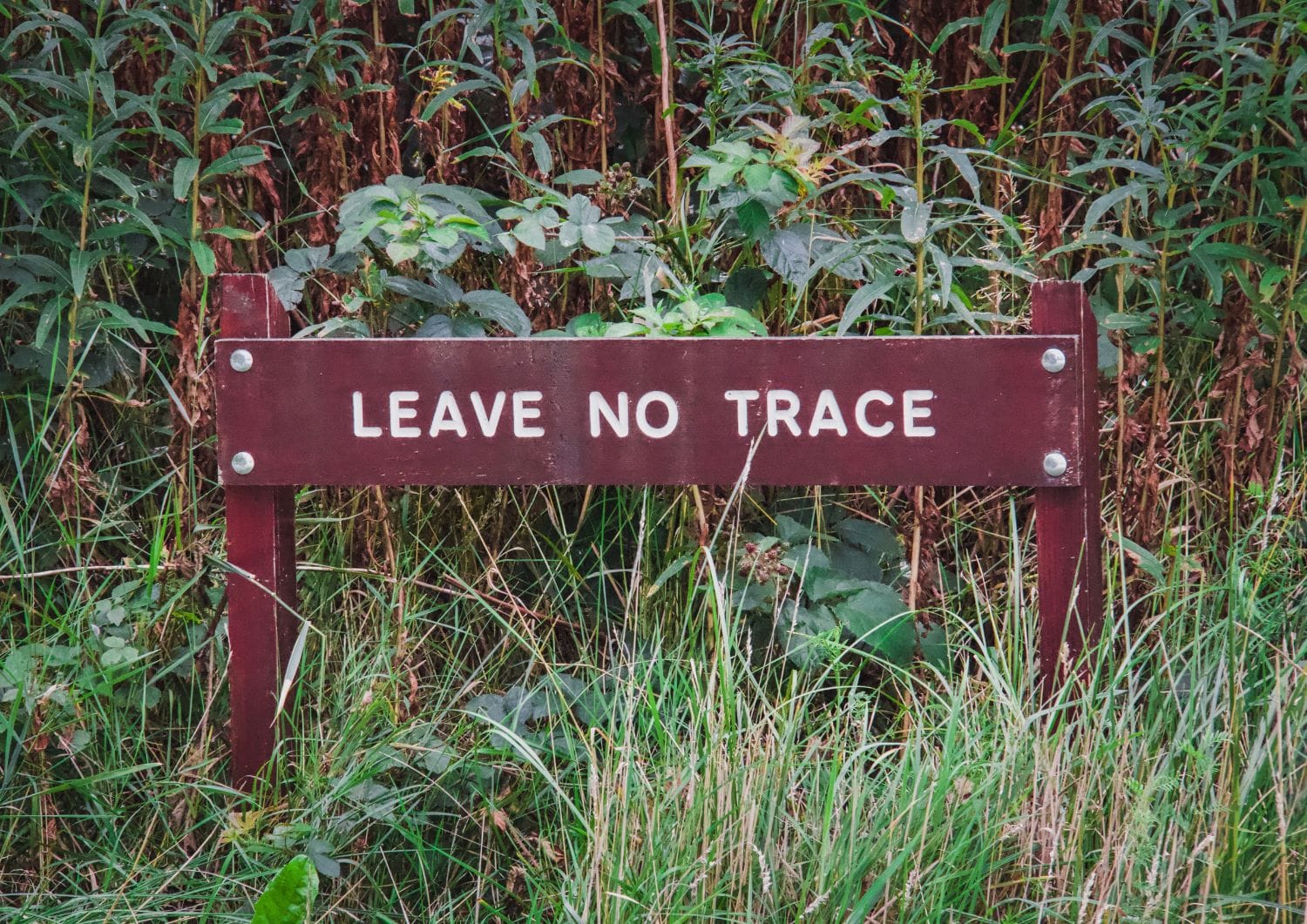
Every forest trail, mountain peak, riverbed, and starlit camping night reminds us that we are visitors in Earth’s ancient and delicate ecosystems. As such, it is our responsibility to ensure our journeys do not disrupt the very beauty we seek to enjoy. This is why we strictly follow and promote the internationally recognized principles of “Leave No Trace”—a framework designed to help us enjoy nature without causing harm.

Why “Leave No Trace” Matters
We all wish to leave a legacy of majestic landscapes and ecological balance for our future generations. However, despite our good intentions, we often harm nature through ignorance or lack of awareness.
Being eco-conscious is not just about picking up garbage—it’s about understanding the intricacies of nature, respecting its rhythms, and minimizing our impact through informed actions. It requires patience, humility, effort, and willingness to evolve as travelers. For example, when visiting Mauritius or Vietnam, awareness of local ecosystems is essential.
This is where the Leave No Trace Center for Outdoor Ethics provides clarity. By continually evaluating and refining the 7 core principles, they offer a simple and effective framework for outdoor ethics that every trekker, camper, or explorer should adopt.
The 7 Principles of “Leave No Trace” – Extended Guide for Responsible Trekkers
1. Plan Ahead and Prepare
Planning is not just about logistics—it’s about protecting nature while ensuring safety.
- Learn about local rules and regulations, especially in protected areas like wildlife sanctuaries.
- Consider the group size, trail condition, expected climate, topography, and emergency resources.
- Always carry a first-aid kit, reusable water bottles, and durable, sealable containers for food and waste.
- If you’re trekking with a commercial operator, ask detailed questions about their eco-practices. If they don’t seem informed or responsible, reconsider your booking.
- Show up prepared—being unprepared can endanger others and the environment.
Proper planning reduces the need for harmful improvisations like littering, excessive campfire use, or off-trail wandering.

2. Travel and Camp on Durable Surfaces
Nature’s charm lies in its untouched state—so walk where your steps won’t scar it.
- Stick to marked trails. Constructed paths reduce environmental stress, even if they appear artificial.
- Avoid living soil, meadows, and moss—they can be permanently damaged by foot traffic.
- Rock, gravel, and dry grass are ideal surfaces for trekking and resting.
- When setting up camp, maintain a minimum 200 feet distance from water bodies to preserve riparian ecosystems.
- Use already-impacted sites to avoid new damage. Leave your camp spot cleaner and more natural than you found it.
And always remember—your silence is a gift to the wilderness. Avoid shouting or using loud devices.

3. Dispose of Waste Properly
Leaving no trace means taking back every trace—even the ones we don’t see.
- All non-biodegradable waste—plastic, cans, wrappers—must be packed out.
- Human waste must be handled responsibly. Use the cat hole method (6–8 inches deep, 200 feet from water/camps/trails), and bury toilet paper if biodegradable.
- Sanitary products must always be packed out—they do not decompose and can attract animals.
- Dishwater and personal cleaning should be done away from water sources—at least 200 feet away.
- Avoid single-use bottles. Use reusable bottles and eco-friendly hygiene products.
Carrying a small waste bag may seem inconvenient, but it protects miles of pristine land from human contamination.
4. Leave What You Find
The best souvenirs are memories—not leaves, rocks, or wildflowers.
- Nature thrives best when left unaltered. Avoid cutting branches, stacking stones, or modifying campsites.
- Picking even one flower may not seem significant—but if every traveler does the same, it leads to biodiversity loss.
- Cultural or historical artifacts should be left untouched.
- Blend into the surroundings—don’t bend nature to fit your comfort. Respect what exists.
Instead, take photos, sketch, or journal your experiences—let the story stay, not the scar.

5. Minimize Campfire Impact
The glow of a fire is magical, but its aftermath can be destructive.
- Campfires consume wood, scar the land, and can spark wildfires.
- Many areas prohibit fires—always check in advance.
- Use portable camping stoves—they’re clean, efficient, and leave no ash or soot.
- If fires are allowed, use established fire rings, keep fires small, and burn only fallen, dead wood.
Remember, the romance of fire should not come at the cost of forest safety.
6. Respect Wildlife
You are a guest in their home. Behave accordingly.
- Loud noises and large groups can stress animals or drive them from vital habitats.
- Do not approach, feed, or try to pet wildlife—doing so may harm them and you.
- Store food securely to avoid attracting animals.
- Campsites, cooking, and waste disposal should all be located far from natural water sources.
Even a harmless selfie with a wild animal can cause permanent behavioral disruption. Observe with admiration, not interference.

7. Be Considerate of Other Visitors
Every trekker deserves peace and awe. Don’t be the reason they lose it.
- Yield the trail to uphill hikers. Keep noise levels down.
- High-volume portable speakers are one of the worst intrusions on nature—they disturb birds, confuse mammals, and annoy fellow trekkers. Please don’t use them.
- While resting, let others pass without blocking the trail.
- Traveling in a group? Keep your group cohesive and inclusive—help slower members and encourage respectful behavior.
The wild is one of the last places for silence and serenity. Let’s keep it that way.

Our Practices in Action
Here at Dark Green Adventures, our commitment to sustainability isn’t just policy—it’s a way of life:
- We provide eco-awareness sessions before every trip, whether it’s aGreece tour package for couples or aMauritius tour package from Kolkata.
- Encourage all participants to carry reusable bottles, metal cutlery, and organic toiletries.
- Regularly organize trail clean-up drives and partner with local communities for sustainable travel.
- Enforce a strict no-littering, no-blasting music policy on all our treks.
Your Role as a Responsible Traveler
As a traveler with Dark Green Adventures, you are more than a tourist—you are a nature ambassador. Each mindful action you take helps ensure that our forests, trails, and summits remain unspoiled for those who come after us.
Let’s not just explore the Earth. Let’s honor it, protect it, and pass it on with pride.
Frequently Asked Questions
Q1. What is the Leave No Trace policy and why is it important?
Ans. It’s a set of outdoor ethics that guide individuals to minimize their impact on nature. It helps preserve the environment, wildlife, and cultural heritage.
Q2. How is Dark Green Adventures implementing Leave No Trace?
Ans. We conduct pre-trek awareness, avoid plastic, ensure waste disposal, and follow strict trail guidelines. We also train our leaders to guide participants in eco-friendly practices.
Q3. What if I accidentally violate a Leave No Trace principle?
Ans. Don’t worry—mistakes happen. Our team will guide you with alternatives and help you understand how to avoid similar issues in the future.
Q4. Are speakers or music allowed during treks?
Ans. No. We strongly discourage any use of high-volume speakers as they disturb wildlife and disrupt the experience for others.
Q5. Can I bring biodegradable items like banana peels or paper plates?
Ans. Even biodegradable waste should be packed out. They take time to decompose and may attract animals or spoil the natural site.
Q6. How should I dispose of sanitary waste during treks?
Ans. Sanitary napkins and tampons must be packed in sealable bags and carried back. They should never be buried or burned.
Q7. What’s the ideal group size to minimize impact?
Ans. Smaller groups of 10–15 are ideal. They cause less noise and land impact, and offer a more intimate trekking experience.
Q8. Is Leave No Trace only applicable to treks?
Ans. Not at all. It applies to any outdoor activity—camping, hiking, beach visits, or even picnics. It’s a lifestyle, not just a rule.
