
South Korea is a country where ancient temples meet neon skylines, where centuries-old traditions coexist with modern innovations. Whether you’re drawn to the vibrant streets of Seoul, the coastal charm of Busan, or the volcanic beauty of Jeju Island, this South Korea travel guide will help you plan your perfect journey.
From detailed itineraries and sightseeing recommendations to insider tips and cultural etiquette, this comprehensive guide is designed for travelers who want to explore, connect, and truly experience the essence of South Korea.
Why Travel to South Korea
South Korea offers one of the most dynamic travel experiences in Asia. It’s safe, efficient, and deeply rooted in its culture — making it ideal for solo travelers, women explorers, and group adventurers alike.
Here, history and modernity are intertwined. You can spend the morning exploring a 14th-century palace, and by evening, be sipping coffee in a futuristic sky café overlooking the Han River. From the friendliness of locals to the excellent public transport system, South Korea stands out as a destination that welcomes every type of traveler.
If you’ve ever wondered where to visit in South Korea, think beyond the popular cities. Venture into ancient kingdoms, national parks, and hidden villages — each region offers its own rhythm and story.
Planning Your Perfect South Korea Itinerary
To make the most of your visit, plan for 7 to 14 days. Here’s a suggested South Korea itinerary that balances culture, nature, and urban adventure.
Day 1–3: Seoul – The Heart of Korea
Start your journey in Seoul, the country’s energetic capital. Visit royal palaces, shop in bustling districts, and dive into the city’s vibrant street food culture.
Day 4–5: Gyeongju – The Ancient Kingdom
Known as “the museum without walls,” Gyeongju preserves Korea’s Silla dynasty history through temples, royal tombs, and ancient observatories.
Day 6–7: Busan – Beaches and City Life
Busan offers a striking mix of mountains, beaches, and temples. It’s also home to some of Korea’s best seafood markets.
Day 8–9: Jeju Island – Nature’s Masterpiece
A short flight from the mainland brings you to Jeju, a volcanic island filled with waterfalls, lava tubes, and picturesque hiking trails.
Day 10: Seoul – Shopping and Farewell
End your trip back in Seoul for some last-minute shopping in Myeongdong and a sunset at Namsan Tower.
This flexible itinerary ensures you experience both the cultural heart and natural beauty that make South Korea unforgettable.
Seoul Travel Guide: Modern Marvel Meets Ancient Soul
Seoul is where tradition and technology thrive side by side. This Seoul travel guide highlights the best places to explore during your stay.
Must-See Attractions
- Gyeongbokgung Palace: The largest of Seoul’s Five Grand Palaces, offering changing-of-the-guard ceremonies and cultural performances.
- Bukchon Hanok Village: A well-preserved neighborhood of traditional Korean homes nestled among modern buildings.
- N Seoul Tower: A panoramic viewpoint perfect for capturing Seoul’s skyline.
- Myeongdong Street Market: A shopping paradise for skincare enthusiasts and food lovers alike.
Hidden Gems
Discover quieter corners like Ihwa Mural Village or walk along Cheonggyecheon Stream, an urban oasis running through downtown. For nightlife, explore Hongdae, known for its indie music, art, and street performances.
Cultural Experiences
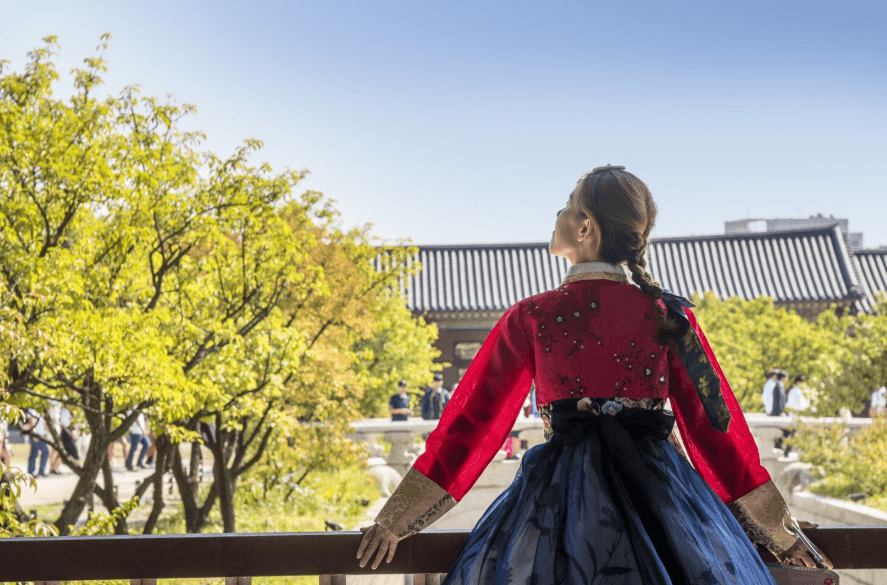
Wear a traditional hanbok while touring palaces, take a Korean cooking class, or visit themed cafés dedicated to K-pop and Korean dramas.
Exploring Beyond Seoul: South Korea Sightseeing Guide
To truly understand the country’s depth, you must explore beyond its capital. This South Korea sightseeing guide introduces top destinations outside Seoul.
Busan:
A lively coastal city with attractions like Haeundae Beach, Gamcheon Culture Village, and the bustling Jagalchi Fish Market. Busan’s charm lies in its ability to balance seaside serenity with urban excitement.
Gyeongju:
Often called Korea’s “open-air museum,” Gyeongju is home to the Bulguksa Temple, a UNESCO World Heritage Site, and the Royal Tombs of the Silla kings. Visit Cheomseongdae, one of the world’s oldest astronomical observatories.
Jeju Island:
Known for its volcanic landscapes, Jeju Island offers natural wonders like Hallasan National Park, Seongsan Ilchulbong (Sunrise Peak), and the quirky Loveland sculpture park. It’s perfect for hiking, cycling, or simply soaking in breathtaking coastal views.
Adventure Add-ons:
If you have extra time, take a day trip to the DMZ for a glimpse into Korean history, or explore Seoraksan National Park’s dramatic peaks and waterfalls.
South Korea Travel Tips for a Smooth Journey
To make your trip seamless, keep these essential tips in mind:
- Visa & K-ETA: Many nationalities can enter visa-free, but you may need to apply for a Korea Electronic Travel Authorization (K-ETA) before your trip.
- Transportation: The country’s public transport is excellent. Get a T-money card to use on buses, subways, and taxis nationwide. The KTX high-speed train connects major cities efficiently.
- Local Etiquette: Show respect through simple gestures—bow when greeting, remove shoes when entering homes, and never stick chopsticks upright in a bowl.
- Best Time to Visit: Spring (April–June) brings cherry blossoms, while autumn (September–November) offers crisp air and stunning foliage. Avoid midsummer if you’re sensitive to humidity.
- Budget Guide: South Korea offers a range of accommodations for all budgets. Expect daily costs of $60–$120, depending on your travel style.
South Korea for Solo and Women Travelers
South Korea is consistently ranked among the safest destinations in Asia, making it ideal for solo and women travelers. Locals are friendly, and most cities are well-lit and easy to navigate.
Many hostels and boutique hotels cater to women-only travelers, providing both comfort and safety. Cafés and coworking spaces are abundant, creating opportunities to connect with other explorers or work remotely.
At Dark Green Adventures, we understand how meaningful solo travel can be. Our women-friendly group trips are designed to empower travelers to explore freely while building lifelong connections with like-minded adventurers.
What to Eat: The Flavors of Korea
Food is at the heart of Korean culture, and every meal feels like a celebration.
Here are a few must-try dishes during your journey:
- Bibimbap: A rice bowl topped with vegetables, meat, and gochujang sauce.
- Tteokbokki: Spicy rice cakes often found in street markets.
- Kimchi: Korea’s signature fermented side dish served with almost every meal.
- Korean BBQ: Grill marinated meat right at your table — a must-try group experience.
- Bingsu: A refreshing shaved ice dessert with fruits and condensed milk.
For authentic flavors, visit Gwangjang Market in Seoul or Jagalchi Fish Market in Busan. Don’t hesitate to try street vendors — that’s where the best food often hides.
Sustainable and Responsible Travel in South Korea
Travel consciously by respecting local customs, minimizing plastic use, and supporting small businesses. South Korea has several eco-friendly initiatives, from extensive recycling systems to green public transport. Choose locally owned guesthouses, buy from artisans, and practice Leave No Trace principles when hiking or exploring national parks.
Ready to Plan Your South Korea Adventure?
From ancient palaces and mountain temples to bustling cities and serene islands, South Korea promises an experience that’s as diverse as it is unforgettable. Whether you’re traveling solo, with friends, or as part of a group, this South Korea travel guide gives you all the insight you need to plan confidently.
If you’re inspired to see South Korea up close — from Seoul’s electric nightlife to Jeju’s peaceful landscapes — join Dark Green Adventures for an upcoming women-friendly, small-group journey.
We craft experiences that go beyond tourism, creating memories and friendships that last a lifetime.
Plan your South Korea adventure today with Dark Green Adventures.