

Most Indians might not be able to locate Tripura on the map of India, but this hidden gem from the Northeast holds incredible natural and cultural treasures. As one of the Seven Sisters of Northeast India, Tripura remains relatively unexplored and therefore offers raw, authentic experiences to travelers. This quaint state, rich in biodiversity and heritage, stands proudly as one of the most literate states in India with an impressive 87% literacy rate.
Tripura is bordered on three sides—north, south, and west—by Bangladesh, and shares its eastern boundary with Assam and Mizoram. Its capital, Agartala, sits gracefully along the banks of the Haora River. The name Agartala combines ‘Agar’, a valuable perfume tree, and ‘tala’, meaning ‘underneath’, symbolizing the region’s abundance of agarwood.
With DarkGreen Adventures, your journey through Tripura goes beyond sightseeing—we offer immersive experiences in tribal culture, ancient history, unspoiled nature, and offbeat destinations, much like our Rann of Kutch Festival or Vietnam tours.

Why Visit Tripura?
Tripura, bordered by Bangladesh on three sides, is an enchanting blend of ancient temples, royal palaces, indigenous tribal cultures, and verdant hills. The state is less commercialized compared to other Indian destinations, offering a pure and raw experience of nature and heritage.
Unique Cultural Experience
Tripura is home to 19 tribal communities, each preserving their unique languages, dances, customs, and festivals. The Kharchi Puja and Garia Puja are especially vibrant and offer a glimpse into the spiritual fabric of the region. Folk dances like Hojagiri and tribal crafts like cane & bamboo work are highlights that you’ll witness only in this region.
Untouched Natural Beauty
With its rolling hills, wildlife sanctuaries, and dense forests, Tripura is a paradise for eco-travelers and photographers. Places like Jampui Hills offer breathtaking sunrise views, while Sepahijala Wildlife Sanctuary is a haven for birdwatchers and wildlife enthusiasts.
Architectural Wonders
Tripura has a rich historical backdrop that includes Indo-Mughal architecture. Must-visit sites include:
Neermahal Palace – The only water palace in Eastern India.
Ujjayanta Palace – A majestic palace turned museum.
Tripura Sundari Temple – One of the 51 Shakti Peethas.
Must-Visit Places in Tripura (with DarkGreen Adventures)
Neermahal (Twijilikma Nuyung)

Located in Melaghar, 53 km from Agartala, this spectacular water palace was the brainchild of Maharaja Bir Bikram Kishore Manikya in 1921. Constructed over nine years by a British firm, Martin & Burns, Neermahal sits amidst Rudrasagar Lake, blending Hindu and Islamic architecture. It’s the largest water palace in Eastern India, larger than Rajasthan’s Jal Mahal, and visible in its entirety only from 800 meters away!

The palace is the largest of its kind in India and the only one in Eastern India. It is so large that it can fit in single picture frame on the standard camera only if you are at a distance of 800 metres. The other water palace of India is the Jal Mahal in Rajasthan, which is smaller than NeerMahal
Ujjayanta palace

This grand Indo-Saracenic structure was built by Maharaja Radha Kishore Manikya in 1901 and named by Rabindranath Tagore himself. Set amidst Mughal-style gardens and flanked by lakes, its three massive domes, wooden ceilings, and decorative tiles showcase royal Tripura’s splendor. The palace once housed the legislative assembly and now functions as a state museum, offering a window into the kingdom’s regal and cultural past.
Unakoti

An ancient Shaivite pilgrimage site dating back to the 7th–9th centuries. The word Unakoti means “one less than a crore”, referring to the countless rock-cut carvings in the region. The central 30-ft high Shiva head, Unakotiswara Kal Bhairava, and a gigantic Ganesha sculpture stand out among the lush hills and forested trails. Natural springs like Sitakunda and Ashtamikunda attract thousands during Maghi Sankranti and Ashokastami.
Baramura Eco park

A lesser-known ecological haven, this park is surrounded by thick forests and is famous for being home to the hornbill. With a stream flowing through the park and panoramic viewpoints, it’s an ideal stop for nature lovers and bird watchers.
Mahamuni Pagoda

Located in Manubankul village, this revered Buddhist monastery is a magnet for spiritual seekers from countries like Myanmar, Thailand, and Sri Lanka. A week-long festival in March–April draws both Buddhists and non-Buddhists in large numbers.
Durgabari Tea Estate

Located just 12 km from Agartala in Bamutia, this 30-acre plantation is among the oldest in Tripura, dating back to 1916. A visit here offers insight into the tea-growing heritage while treating your senses to lush green serenity.
Jampui hills

Bordering Mizoram, Jampui Hills is the highest point in Tripura with Betlingchhip Peak rising to 930 meters. Inhabited mostly by the Mizo community, the region is renowned for its Orange Festival held between September and December. Misty hilltops, floating clouds, and panoramic views make this an unforgettable destination. Misty hilltops, floating clouds, and panoramic views make this an unforgettable destination, just like the views you can experience in Norway Northern Lights.
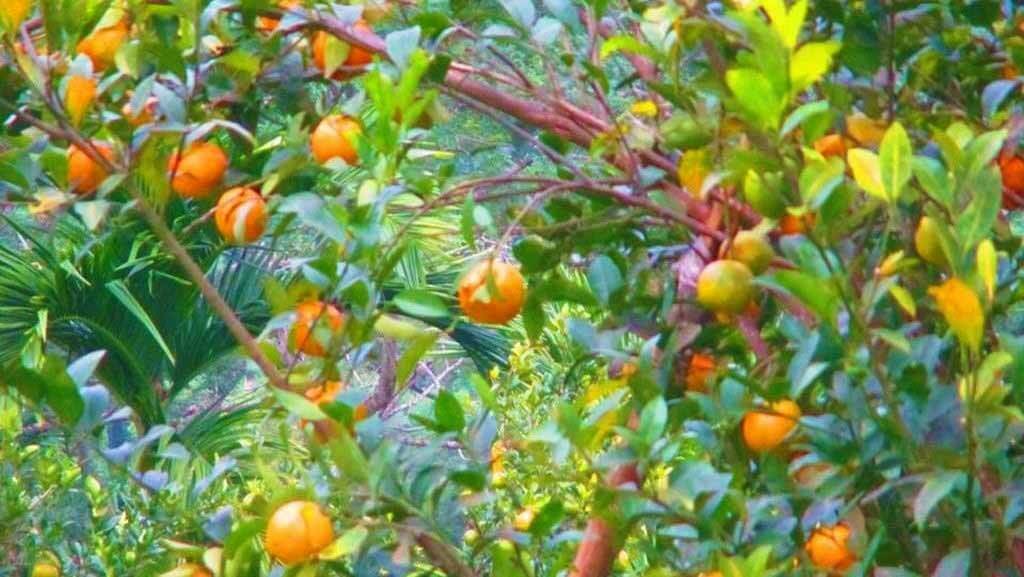
Jampui is famous for Orange Festival. During this festival season i.e. September to December, the hill is covered with floating clouds which provides a mesmerizing experience for the travellers.
Tripura Sundari temple

One of the 51 Shakti Peeths, this temple is located on the outskirts of Udaipur. Built in 1501 by Maharaja Dhanya Manikya, it’s revered as Kurma Pith for its tortoise-shaped premises. Devotees visit this sacred site, especially during Diwali, when a massive fair draws lakhs of pilgrims.
Gumti Wildlife Sanctuary
Home to elephants, yapping deer, sambar, wild buffalo, and migratory birds, this semi-evergreen sanctuary features a massive reservoir that attracts Sarus cranes and teals. Accessible via Ambassa and Gandacherra, it’s a prime destination for wildlife photography.
Akhaura Integrated Check Post

This ceremonial check post between India and Bangladesh is Tripura’s own Wagah Border. Just 6 km from Agartala, visitors can witness the daily flag-lowering ceremony performed by security personnel of both nations—an inspiring symbol of peaceful coexistence.
The DGA Advantage in Tripura
We at DarkGreen Adventures believe that travel should not just be a journey—it should be a transformation. That’s why we offer:
- Curated Offbeat Routes: Skip the tourist traps.
- Local Immersion: Interact with tribal communities and learn their way of life, much like the local cultures you’ll explore in Turkey tour package and Greece tour package.
- Eco-Conscious Practices: Leave no trace, take only memories.
- Expert Trek Leads: Your safety and experience is our top priority.
- Affordable Adventure: Experience the richness of Tripura without burning a hole in your pocket.
Ready to Discover a Side of India Few Have Seen?
Tripura is not just a place—it’s an experience. With DarkGreen Adventures, you don’t just visit; you connect, explore, and transform. Whether you’re a solo backpacker, a cultural explorer, or a nature lover, Tripura awaits you with open arms and ancient stories.
Book Your Tripura Journey Now with DarkGreen Adventures – where culture truly meets nature.
Frequently Asked Questions
Q1. Where is Tripura located, and why is it lesser known?
Ans. Tripura is a northeastern Indian state bordered by Bangladesh on three sides and Assam and Mizoram to the east. Despite its unique culture and natural beauty, it remains less explored due to limited mainstream promotion.
Q2. What is the significance of Neermahal?
Ans. Neermahal is the largest water palace in Eastern India, built in the 20th century in the middle of Rudrasagar Lake. It is an architectural marvel that blends Mughal and Hindu styles.
3. What is Unakoti famous for?
Ans. Unakoti features massive rock-cut carvings from the 7th–9th centuries. It’s a unique mix of spirituality, history, and nature with mythological significance.
Q4. What’s special about Ujjayanta Palace?
Ans. This white palace in Agartala, named by Rabindranath Tagore, is known for its domes, intricate woodwork, and its transformation from a royal residence to a museum.
Q5. When is the best time to visit Tripura?
Ans. October to March is ideal due to pleasant weather and major festivals. Jampui Hills’ Orange Festival also occurs during this time.
Q6. Do I need a permit to visit Tripura?
Ans. Indian nationals don’t need a permit. Foreign nationals might require an Inner Line Permit, and our team assists in obtaining it if needed.
Q7. What languages are spoken in Tripura?
Ans. Bengali and Kokborok are widely spoken, along with tribal dialects. English and Hindi are also commonly understood in tourist areas.
Q8. How does DarkGreen Adventures enhance the Tripura experience?
Ans. We offer intimate group sizes, cultural immersion, expert guidance, eco-conscious travel, and comprehensive planning to make your journey enriching and stress-free.
