
If you’re wondering what is the currency of Vietnam, this guide will give you all the answers in one place. Whether you’re backpacking across Hanoi or planning a luxury cruise in Halong Bay, knowing how money works in Vietnam can help you avoid costly mistakes and travel with ease.
Vietnam offers a blend of culture, nature, and adventure that makes it one of Asia’s most fascinating travel destinations. But before you dive into delicious street food and scenic landscapes, there’s one practical question to solve first: what is the currency of Vietnam, and how can you use it smartly?
In this complete travel guide, we’ll walk you through Vietnam’s currency, the best ways to exchange it, how to handle daily expenses, safety tips, card usage, cultural etiquette, and much more. By the end of this article, you’ll not only know what is the currency of Vietnam, but also how to manage it like a savvy traveler.
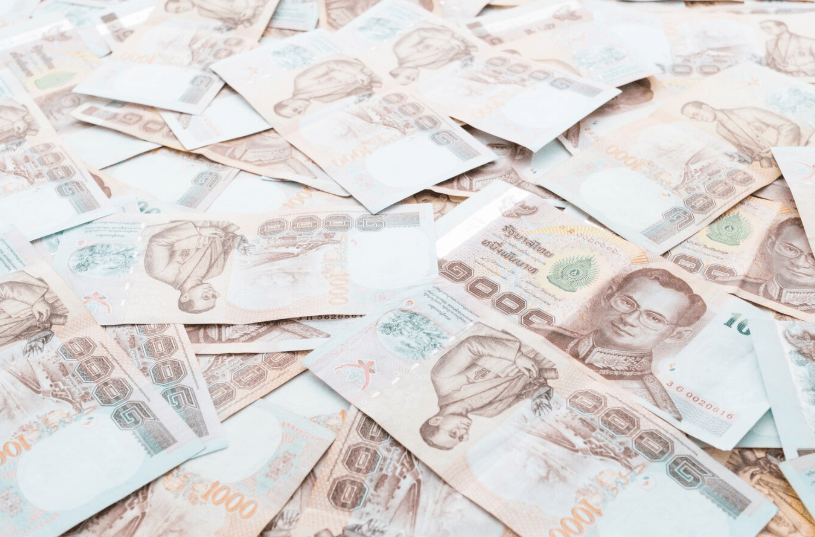
What Is the Currency of Vietnam?
The official currency of Vietnam is the Vietnamese Dong, commonly abbreviated as VND. The symbol for the Dong is ₫.
If you’re searching for what is the currency of Vietnam, the answer is simple: it’s the Vietnamese Dong, and it’s used for virtually every transaction across the country. Whether you’re buying a cup of coffee, paying for a taxi, or booking a Vietnam tour package from Bangalore, you’ll need to pay in Dong.
Common denominations of the Vietnamese Dong include:
- 1,000 VND: small purchases, not widely used anymore
- 5,000 VND: very small items like water bottles
- 10,000 VND: for street snacks or short bus rides
- 20,000 VND: meals at basic eateries
- 50,000 VND: budget restaurant meals
- 100,000 VND: groceries or shared cab fares
- 200,000 VND: shopping or hotel payments
- 500,000 VND: larger expenses like tour bookings
Many notes are similar in color and size, which can cause confusion. Always take a second look before handing over your cash—especially the 20,000 VND and 500,000 VND notes, which look surprisingly alike.
The value of the Dong can feel overwhelming at first because of all the zeros, but with some quick practice, you’ll get used to it quickly.
Should I Carry Vietnamese Dong or US Dollars?
If you’re still thinking about what is the currency of Vietnam best suited for travel, here’s a clear breakdown: carry Vietnamese Dong for daily spending, but bring US Dollars for backup and larger payments.
US Dollars are accepted in limited places such as:
- Airports
- High-end hotels
- Some international tour agencies
- Luxury retailers
However, for everything else—from buying fruit in the market to hiring a scooter—you’ll need Vietnamese Dong. Vietnamese Dong is the most practical and widely accepted currency in the country.
If you’re coming from India, it’s not advisable to convert INR to VND before arrival, because Indian currency is not widely accepted in Vietnam, and the exchange rates in India are often poor.
The smarter option? Bring US Dollars and exchange them in Vietnam for Dong. This method gives you much better value and flexibility. Vietnam tour package from Ahmedabad travelers often follow this approach for better rates.
Best Way to Exchange Currency in Vietnam
So now that you know what is the currency of Vietnam, the next step is to learn the best way to get it in your hands. Exchanging money in Vietnam is fairly easy and can be done through several reliable options.
Your main exchange options are:
- Banks – Reliable and secure. Perfect for large sums, though the process can be slow and involves paperwork.
- Hotels – Convenient but not the most favorable rates. Good for small exchanges in a pinch.
- Gold and Jewelry Shops – Offer the best exchange rates in cities like Ho Chi Minh City or Hanoi. They are fast and informal but very popular among travelers.
- Airport Exchange Counters – Easily accessible but have the worst exchange rates. Best used only for emergencies or when you first land.
Try to exchange small amounts at a time, and always request smaller denomination notes. Having smaller bills makes it easier to pay for things like taxis, food, and souvenirs—especially if you’re on a Vietnam tour package from Pune.
Can I Use Cards or ATMs in Vietnam?
Another common question travelers have after asking what is the currency of Vietnam is whether they can use their international cards instead of carrying large amounts of cash.
The good news: cards are accepted in many places, especially in major cities like Hanoi, Ho Chi Minh City, and Da Nang. Hotels, shopping malls, and upscale restaurants typically accept Visa and MasterCard.
However, many local establishments, especially in rural areas, are still cash-only. That’s why carrying Vietnamese Dong remains essential throughout your journey.
When using ATMs in Vietnam, keep these points in mind:
- Most ATMs dispense cash in Vietnamese Dong only.
- International withdrawal fees can range between ₹200–₹400 per transaction.
- A foreign exchange markup of 2–3% might also apply.
- Reliable international banks with ATMs include ANZ, HSBC, and Citibank.
Use your card wisely and keep a mix of cash and digital options for convenience and safety.
Travel Costs in Vietnam: How Much Do You Need Daily?
Understanding what is the currency of Vietnam is important—but so is knowing how much you’ll actually spend.
Vietnam is considered one of the most budget-friendly countries in Asia. Here’s a rough idea of what your daily costs might look like:
Budget Travelers (₹2,000–₹2,500 per day):
- Street food meals
- Hostel accommodation
- Public transport
- Basic sightseeing
Mid-Range Travelers (₹3,000–₹4,500 per day):
- Boutique hotel rooms
- Restaurant meals
- Private transfers or Grab taxis
- Entry to major attractions
Luxury Travelers (₹5,000–₹7,000+ per day):
- 4-star hotels or resorts
- Guided tours
- Fine dining
- Spa or cruise experiences
Always carry some extra Vietnamese Dong for surprise expenses like shopping or tipping.
Money Safety Tips for Travelers
Now that you’ve figured out what is the currency of Vietnam, make sure to manage it wisely to avoid fraud or theft. Vietnam is relatively safe, but like any destination, you need to be cautious.
Here are some smart money tips:
- Notify your bank before traveling so your card isn’t blocked abroad.
- Carry a Forex card for better exchange rates and controlled spending.
- Use a money belt or hidden pouch for large amounts of Vietnamese Dong.
- Watch out for counterfeit bills, especially the higher denominations.
- Avoid carrying all your cash in one place—split it between bags.
- Always count your change, especially in crowded tourist areas.
For added safety, carry around $200 in USD as an emergency backup—good advice whether you’re on a solo trip or a Vietnam tour package from India.
Tipping, Haggling, and Cultural Norms
Even after knowing what is the currency of Vietnam, many travelers are unsure about tipping etiquette and market behavior. Here’s what you need to know:
Tipping:
- Not mandatory, but greatly appreciated.
- In restaurants, 5–10% of the bill is a generous tip.
- For hotel staff or guides, tip ₹50–₹200 depending on the service.
Haggling:
- Common in street markets and local shops.
- Always negotiate prices with politeness and a smile.
- Start by offering 50–60% of the quoted price.
Cultural Money Norms:
- Locals often omit the last three zeros when quoting prices.
- So, if someone says “50,” they likely mean 50,000 VND.
- Keep smaller notes handy to make exact payments and avoid confusion.
Final Thoughts
By now, you’re no longer confused about what is the currency of Vietnam. With the Vietnamese Dong in your wallet, you’re ready to explore the colorful streets of Vietnam with confidence.
To recap:
- What is the currency of Vietnam? The Vietnamese Dong (VND).
- Exchange money after arrival for the best rates.
- Carry both cash and card options.
- Be aware of local customs like haggling and tipping.
Travel prepared, and you’ll enjoy every moment of your adventure.
Plan Your Vietnam Adventure with Confidence
Are you ready to explore Vietnam’s rich culture, stunning landscapes, and hidden gems?
Dark Green Adventures offers unique small-group tours that combine offbeat experiences, local immersion, and hassle-free travel—perfect for solo travelers, women travelers, and anyone looking for something different.
Explore Vietnam the right way—with expert guides, safe itineraries, and unforgettable memories.
Frequently Asked Questions
Q1. What is the currency of Vietnam?
Ans. The Vietnamese Dong (VND), used for almost all transactions across the country.
Q2. Can I use Indian Rupees in Vietnam?
Ans. No, Indian Rupees are not accepted or easily exchanged. Bring USD or convert after arrival.
Q3. What’s the best currency to bring to Vietnam?
Ans. US Dollars are best for exchange. Once in Vietnam, convert them into VND for local use.
Q4. Is it better to exchange money in India or Vietnam?
Ans. Always exchange money in Vietnam for better rates—especially at gold shops in major cities.
Q5. Can I use my debit or credit card in Vietnam?
Ans. Yes, in urban areas. But many places still require cash, especially in rural regions.
Q6. Is tipping expected in Vietnam?
Ans. Not required, but appreciated. Tip in Vietnamese Dong.
Q7. How much cash should I carry for a 7-day trip?
Ans. Around ₹15,000–₹25,000 worth of VND, depending on your travel style.
Q8. Where can I check live currency conversion rates?
Ans. Use trusted websites like XE.com or Google Currency Converter for real-time rates.