
Where is Rann of Kutch in India? This is a question many curious travelers ask when they come across stunning photographs of an endless white landscape under the moonlight. The Rann of Kutch is one of India’s most surreal travel destinations, known for its seasonal salt desert, vibrant cultural festivals, and captivating sunsets.
Located in the western part of India, this magical region is home to the famous Rann of Kutch Festival – a festival that blends art, music, tradition, and the stark beauty of nature. This blog is your comprehensive travel guide covering everything you need to know: from the answer to where is Rann of Kutch in India, to how to reach Rann of Kutch, what to do, and how to make the most of your journey.
Where is Rann of Kutch in India?
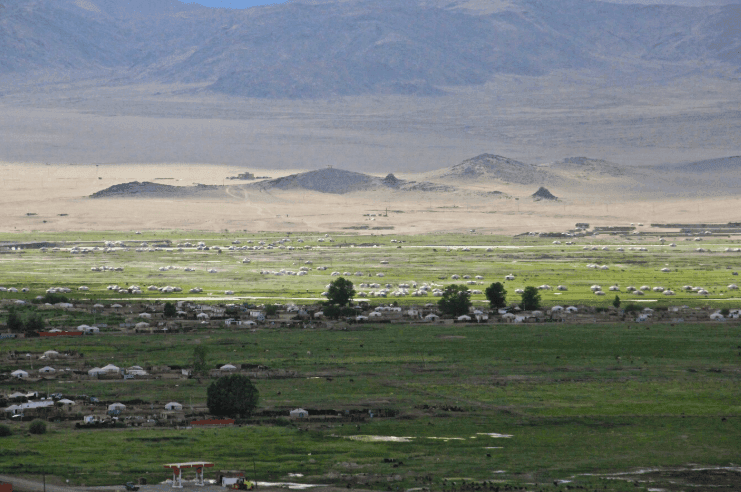
The Rann of Kutch is situated in the Kutch district of the Indian state of Gujarat. It lies in the northwestern part of the state, stretching up to the border of Pakistan. The word “Rann” comes from the Hindi word for desert, and “Kutch” is the name of the district it belongs to. This region is primarily known for being a seasonal salt marsh that turns into a vast white desert in winter.
When asking where is Rann of Kutch in India, you should know it is not a single spot but a wide geographical area. It includes:
- The Greater Rann of Kutch, which is famous for its salt desert and is the primary location of the Rann Utsav.
- The Little Rann of Kutch, known for wildlife and the Indian Wild Ass Sanctuary.
The Rann covers around 30,000 square kilometers, making it one of the largest salt deserts in the world. It lies approximately 80 kilometers north of Bhuj, which serves as the main gateway for travelers.
Understanding where is Rann of Kutch in India is essential to plan your trip well. The area is remote, yet increasingly accessible due to improved infrastructure and tourism promotion. It borders Rajasthan to the northeast and touches the Arabian Sea to the southwest, making it geographically unique. If you’re planning your travel dates, check out our guide to the Rann of Kutch Festival Dates to make the most of your visit.
The Cultural Pulse: What is Rann Utsav?
If you’ve heard about the Rann of Kutch, you’ve likely also heard about the Rann Utsav. This is the heartbeat of tourism in the region. But first, let’s revisit our main question: Where is Rann of Kutch in India, and why is Rann Utsav held there? It is hosted in Dhordo, a small village near the White Desert area, which transforms into a vibrant tent city every winter.
The Rann Utsav started as a tourism initiative by the Gujarat government after the 2001 earthquake devastated the region. It has now grown into a globally recognized cultural celebration that lasts for over three months from November to February.
What makes Rann Utsav special?
- Cultural performances featuring folk music and dance from Kutch and across India
- Local artisans selling handmade textiles, embroidery, and handicrafts
- Delicious Kutchi cuisine served in traditional thalis
- Adventure activities like hot air balloon rides, ATV biking, camel safaris, and paramotoring
- Nighttime bazaars and glowing salt desert views under the moon
People travel from around the world not just to witness the desert but to feel the cultural richness. Understanding where is Rann of Kutch in India leads you to this unforgettable celebration of color, heritage, and nature.
How to Reach Rann of Kutch
Once you know where is Rann of Kutch in India, your next step is to figure out how to get there. The nearest city to the Rann is Bhuj, which is well connected by road, rail, and air.
- By Train: Bhuj is connected to major cities like Mumbai, Delhi, and Ahmedabad by rail. From Bhuj, you can take a taxi or a bus to Dhordo, the main site for Rann Utsav.
- By Air: Bhuj has a domestic airport with regular flights from Mumbai. Most travelers prefer flying into the nearest airport to Rann of Kutch, which is Bhuj Airport. From there, local taxis or pre-booked transport can take you to the White Desert region.
- By Road: Driving from Ahmedabad to Bhuj takes approximately 7–8 hours. The roads are well-maintained, and buses and private taxis are also available.
It’s important to note that to visit the actual White Rann area, you need a permit. This can be obtained online or at the Bhirandiyara checkpoint on the way to Dhordo.
Best Time to Visit
Now that we’ve established where is Rann of Kutch in India, let’s talk about the best time to visit. The desert is seasonal – it fills with water during the monsoons and dries up by winter, revealing a shimmering salt layer.
The ideal time to visit the Rann is between November and February. This is when the Rann Utsav takes place, and the salt desert is dry, walkable, and at its most photogenic.
Why visit during full moon nights?
- The desert reflects the moonlight, creating a glowing white wonderland.
- Cultural performances and activities are timed with full moon phases for maximum appeal.
- Photographers and nature lovers consider these nights the best for capturing the Rann.
Avoid the monsoon (July to October) as the region becomes marshy and inaccessible. Summers (March to June) are extremely hot and not recommended for travel.
Where to Stay Near Rann of Kutch
Accommodation choices depend on your travel style and budget. If you want to stay close to the action, we recommend exploring some of the best hotels near Rann of Kutch, especially in Dhordo.
- Dhordo: This is the site of the Tent City and closest to the White Rann. It offers luxury tents with modern amenities, cultural shows, and guided tours. Staying here means you’re right at the heart of the action.
- Bhuj: For budget travelers, Bhuj offers hotels, guesthouses, and homestays. It’s 80 km from Dhordo and well connected by road. While not as immersive, it’s ideal for short stays or travelers exploring wider Kutch.
If you’re attending Rann Utsav, Dhordo is the better option. However, for offbeat exploration beyond the salt flats, Bhuj makes a great base.
Places to Visit Around Rann of Kutch
The Rann is more than just a desert. Exploring the region will show you that where is Rann of Kutch in India also includes many diverse destinations worth visiting.
Must-see places include:
- Kalo Dungar (Black Hill): The highest point in Kutch offering panoramic views of the White Desert.
- Mandvi Beach: A coastal town with clean beaches and heritage architecture.
- Vijay Vilas Palace: A royal palace used in Bollywood movies.
- Gandhi Nu Gam: A model village rebuilt after the earthquake, known for handmade crafts.
- Nirona Village: Famous for rare Rogan art, copper bell making, and lacquer work.
- Dholavira: An archaeological site from the Harappan Civilization.
- Ekal Ka Rann: A quieter alternative to Dhordo, less crowded but equally scenic.
These destinations give you a well-rounded picture of culture, history, and nature.
What to Pack for Your Kutch Trip
When traveling to remote areas like the Rann, packing wisely is important. The climate can be extreme, and local amenities may be limited.
Recommended items:
- Light cotton clothes for daytime
- Woolens or jackets for night (temperatures drop sharply)
- Comfortable walking shoes or sandals
- Sunscreen, hat, sunglasses, and lip balm
- Traditional Indian attire for cultural events
- Power bank, flashlight, and offline Google Maps
- Copies of ID and Rann permit
- Snacks and reusable water bottles
Knowing where is Rann of Kutch in India also means understanding its terrain – dusty, salty, and dry. Pack accordingly.
Cost and Budgeting Tips
Traveling to the Rann can be budget-friendly or luxurious, depending on your style. Let’s break down average expenses.
- Tent City packages range from ₹5,000 to ₹12,000 per night depending on amenities and season
- Budget hotels in Bhuj start from ₹800 per night
- Food per day can cost ₹300–₹800, mostly vegetarian
- Local transport, permits, and sightseeing can cost ₹200–₹500 daily
A 3-day Rann of Kutch tour package can cost anywhere from ₹6,000 (budget) to ₹18,000 (premium) per person.
Is Rann Utsav Worth Visiting?
Yes, absolutely. If you’re wondering whether all the planning and travel to where is Rann of Kutch in India is worth it, the answer is a resounding yes.
Why?
- It’s a once-in-a-lifetime experience
- Offers a rich blend of art, culture, and nature
- Perfect for photographers, culture lovers, and families
Some downsides are crowds during peak dates and the cost of luxury packages. But if you plan early and choose the right experience, it’s well worth the visit.
Plan Your Rann of Kutch Adventure with Dark Green Adventures
If you’re new to solo travel or prefer a guided experience, Dark Green Adventures offers curated group trips to the Rann of Kutch. These trips are especially friendly for solo travelers and women, and include:
- Hassle-free planning
- Expert tour leaders
- Cultural immersion and local interaction
- Comfortable and safe stays
Visit their official trip page here: Book Your Rann of Kutch Journey with Dark Green Adventures
Final Thoughts
So, where is Rann of Kutch in India? It’s in Gujarat, spread across the massive Kutch district, bordering Pakistan and stretching into the Arabian Sea. This white desert is unlike any other place in the country — a seasonal wonder that transforms each winter into a magical landscape of salt, light, and life.
Make your way to the Rann not just to answer the question where is Rann of Kutch in India, but to discover a side of India that blends silence and celebration, wilderness and heritage, all in one trip.
Frequently Asked Questions
Q1. Where is Rann of Kutch in India located?
Ans. It is in the Kutch district of Gujarat, around 80 kilometers north of Bhuj.
Q2. What is the best time to visit Rann of Kutch?
Ans. From November to February, especially during full moon nights.
Q3. Do I need a permit to visit the Rann?
Ans. Yes, you need a permit, which can be obtained online or at Bhirandiyara.
Q4. Can I travel to the Rann of Kutch by road?
Ans. Yes, it is well-connected by road from Ahmedabad, Bhuj, and other cities.
Q5. Is Rann of Kutch safe for solo female travelers?
Ans. Yes, especially if you go with trusted tour operators like Dark Green Adventures.
Q6. What should I wear at Rann Utsav?
Ans. Comfortable clothes for the day and warm layers for the night. Traditional wear is encouraged for cultural events.
Q7. Are there vegetarian food options?
Ans. Yes, most food in the Rann region is purely vegetarian.
Q8. Is there any network or internet in the White Rann area?
Ans. Mobile networks are available but may be weak in remote zones. Internet is limited.